
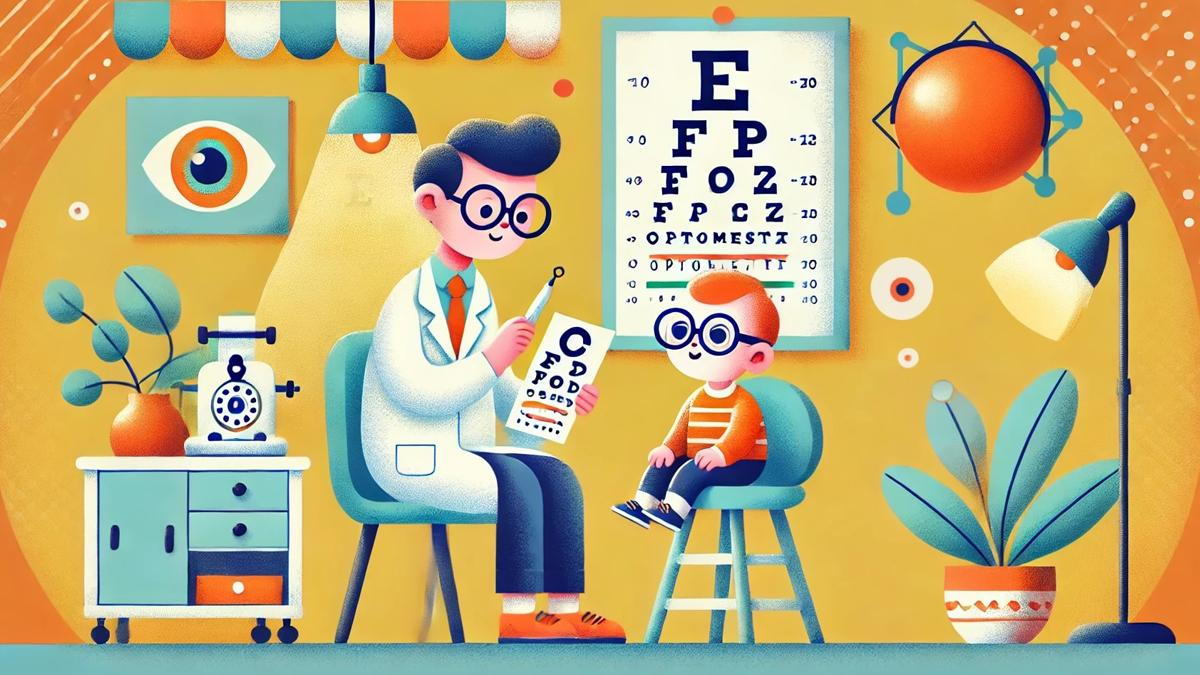
As parents, we prioritize the health and well-being of our children, ensuring they receive regular check-ups and vaccinations. However, one area that often gets overlooked is their eye health. Good vision is critical for a child's development, affecting everything from learning in school to interacting with their environment.
Early detection and treatment of vision problems can make a significant difference in a child's life. In this post, we'll delve into when children should have their first eye exam, how often they should get their eyes examined, and what steps to take if corrective lenses are needed. By understanding the importance of pediatric eye care, parents can help their children achieve and maintain optimal vision.
When Should Children Have Their First Eye Exam?
Early eye exams are crucial for detecting potential vision problems before they affect a child's development. The recommended timeline for pediatric eye exams is as follows:
- Infants: The first eye exam should take place at around six months of age. This initial exam checks for basic indicators of eye health and proper development.
- Preschool Age: Children should have another eye exam at around three years old. This exam helps identify any issues that could affect learning and development.
- Before Starting School: A comprehensive eye exam is recommended just before children start school, usually around age five. This ensures that any vision problems are identified and managed before they begin formal education.
How Often Should Children Get Their Eyes Examined?
The frequency of eye exams depends on the child's age, risk factors, and any existing vision problems:
- School-Aged Children (6-18 years): Children should have an eye exam every one to two years unless advised otherwise by their eye doctor. Regular exams help monitor vision changes and ensure optimal eye health during critical developmental years.
- High-Risk Children: Children with a family history of eye diseases, premature birth, or developmental delays may require more frequent eye exams. Your eye doctor can provide personalized recommendations based on your child's specific needs.
What Happens During a Pediatric Eye Exam?
Pediatric eye exams are tailored to be child-friendly and non-invasive. Here’s what you can expect:
- Medical History: The eye doctor will review the child's medical history and any vision-related concerns.
- Visual Acuity Test: Using age-appropriate methods, the doctor will assess how well the child can see at various distances.
- Eye Alignment and Movement: The doctor will check how well the child's eyes work together and track objects.
- Eye Health Evaluation: This includes examining the external and internal structures of the eyes to detect any abnormalities or signs of disease.
- Refraction Test: This determines if the child needs corrective lenses and what prescription is needed.
When Corrective Lenses Are Needed
If an eye exam reveals that a child needs corrective lenses, here’s what happens next:
- Prescription: The eye doctor will prescribe glasses or contact lenses tailored to the child’s vision needs.
- Choosing Frames: For glasses, children can choose from a variety of frames that are durable and suitable for their age and activities.
- Fitting and Adjustments: Ensuring the glasses fit properly is crucial for comfort and effectiveness. Regular check-ups may be needed to adjust the fit as the child grows.
- Follow-Up Care: The eye doctor will schedule follow-up visits to monitor the child's vision and make any necessary adjustments to the prescription.
Regular eye exams are essential for children’s vision and overall development. Early detection and treatment of vision problems can prevent long-term issues and support a child’s success in school and daily activities. By following the recommended schedule for eye exams and addressing any vision needs promptly, parents can help ensure their children enjoy healthy vision and a bright future.
For more information on pediatric eye care or to schedule an eye exam for your child, contact us today.